

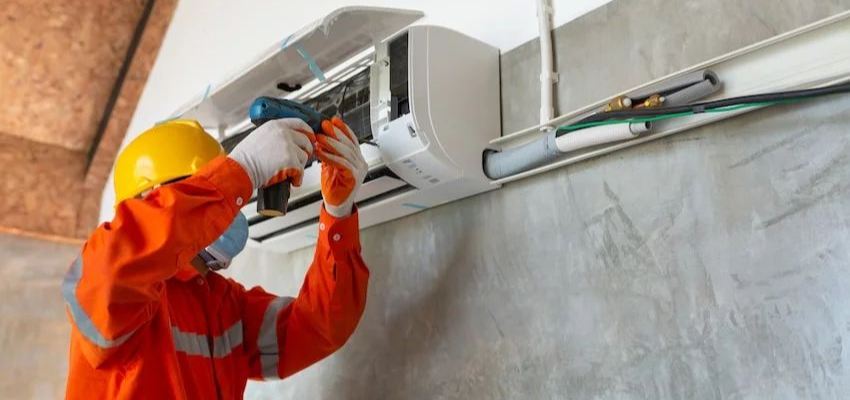
At some point, every PTAC unit hits a wall where fixing it stops making sense. Maybe it's the third repair call this year. Maybe it's just old and tired, wheezing through another summer like it's begging for retirement. Either way, this is usually the moment people start looking into PTAC replacement in NYC, and honestly, it's a smarter move than most folks realize once they actually crunch the numbers.
Nobody wants to junk a unit that's still limping along. But PTACs tend to drop hints before they actually quit on you, little things that pile up right before the end. Once you have seen those signs, you stop second guessing it the next time around.
This is the part people skip, and it costs them. A single repair might feel cheap at the moment, but add up to three or four visits across a year and suddenly that "cheap fix" isn't so cheap anymore. Given below are some typical situations and their approximate cost of repair:
People picture PTAC replacement as pulling one box out and pushing a new one in its place. Close enough, sure. But there's a few more steps in between that actually make or break the job.
Not every replacement PTAC is the same, and this is where a little guidance goes a long way.
Brands like Amana, Carrier, Daikin, and Islandaire each bring something different to the table, whether that's energy efficiency, noise levels, or how long they tend to hold up under NYC's kind of constant use. A unit that's great in a quiet suburban house isn't necessarily the right pick for a hotel room that runs the AC nonstop from June through September.
Try booking a PTAC replacement in NYC during the off-season, early spring, late fall, somewhere in there. Techs are not buried under a hundred emergency calls, so you actually get their full attention instead of a rushed job squeezed between fires. Nobody's tenant is stuck sweating it out in a hot room waiting for their turn either. Wait until the thing dies in the middle of July, though, and you are doing everything under pressure, and pressure never really gets anyone a good deal.
A failing PTAC isn't just an inconvenience, it's a slow drain on money, comfort, and patience. At some point, another repair just isn't worth it anymore, and that's exactly when PTAC replacement in NYC starts making a lot more sense than people initially expect. Catching that point early, rather than after the unit finally quits for good, is really what separates a smooth replacement from a scramble.