

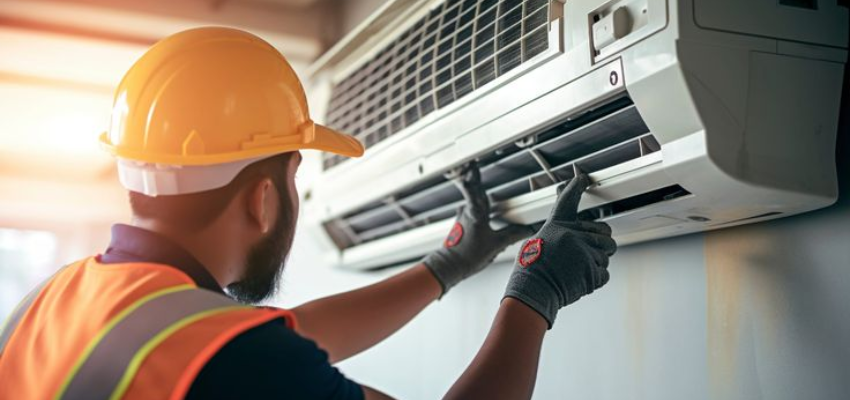
Anyone who has dealt with a bad PTAC install knows the headache doesn't show up on day one. It shows up three months later, when the unit's rattling for no reason or the room next to it never quite cools down. That's the thing about PTAC installation in NYC, it looks simple from the outside, but the details are what decide whether that unit runs quiet for a decade or gives you trouble by winter.
A PTAC is only as good as the sleeve it sits in and the way it's wired up. Buy the best unit on the market and it still won't perform right if the install is sloppy. This is where a lot of buildings, especially older ones in the city, run into trouble without even realizing it.
Not every PTAC installation in NYC looks the same, and treating a brand-new building the same way you would treat a quick hotel swap usually causes more problems than it solves. A building going up from scratch means sleeve placement and wiring have to be planned before the drywall ever goes in, so there's no room for guesswork later. Full building retrofits are a different beast entirely, juggling dozens of units on a tight timeline while trying not to leave tenants without air for too long.
Swapping out a single unit brings its own challenge too. Matching new equipment to a sleeve that's already there means precise measurements matter more than anything else, since even a small mismatch can throw off the entire install. There's less room to improvise here than people expect, because the sleeve is already set and everything else has to work around it.
Hotels play by a whole different set of rules. Nobody's got days to spare between guest checkouts. The install has to be quick and clean. But rushing it can't mean cutting corners either, that room's got a guest in it again by tonight. Every one of these situations needs its own game plan, and the second someone tries handling them all the same way, that's usually when things start falling apart.
There's a rhythm to doing this right, and skipping steps is exactly how buildings end up with units that underperform. Check out the step-by-step installation process:
Sizing is where a lot of installs go sideways. A unit that's too big cools the room fast but cycles on and off constantly, which wastes energy and shortens the unit's life. Too small, and it just runs nonstop without ever really catching up.
Getting the size right for the actual square footage is one of the most overlooked parts of PTAC installation in NYC, and it's also one of the easiest to get right with a proper load calculation before anything gets ordered.
Brand matters here too. Amana, Carrier, Daikin, and Islandaire all handle NYC's climate a bit differently, and picking based on the building type, apartment, hotel, or small commercial space, usually makes more sense than just grabbing whatever's cheapest.
Book it before summer actually hits, not during. Try it in spring or fall instead, whenever things aren't crazy busy. Crews have breathing room, they're not stretched thin, parts actually show up on time instead of getting backordered for two weeks. Nobody's rushing because there's no fire to put out somewhere else.
And that shows in the work. Buildings that plan ahead like this just end up with fewer callbacks, cleaner installs, less back and forth fixing stuff after the fact.
A good PTAC installation in NYC isn't just about getting a unit into a wall. It's measurements, wiring, sealing, and sizing all come together so the thing actually works the way it's supposed to for years, not just for the first few weeks. Cutting corners here rarely saves money, it just delays the cost and hands it to someone else down the road, usually a tenant complaining about a draft in the middle of February.